
Kinds of Modes of Bone Plating
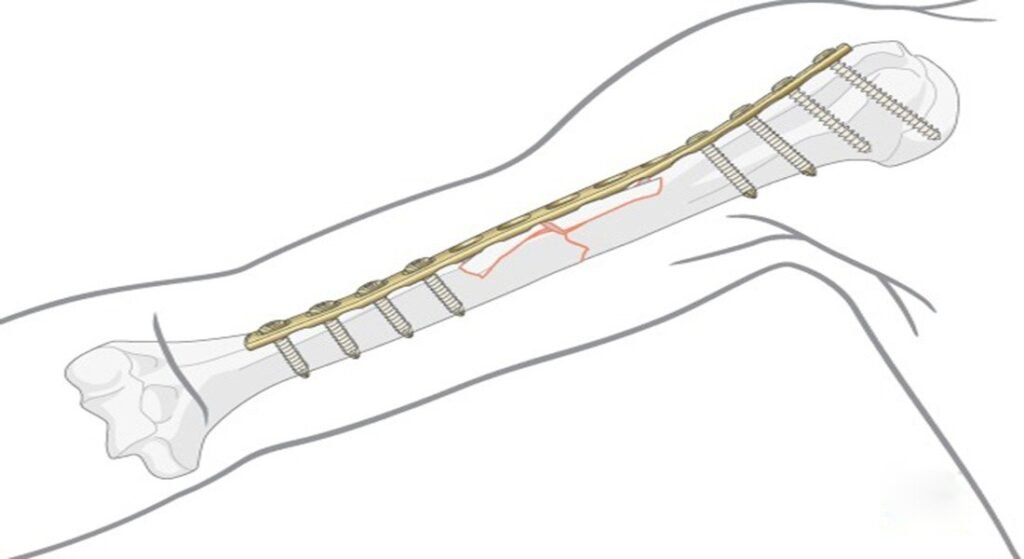
A bone plate may be placed so that it may be utilized for one of the following kinds of structural support: Plates are available in various shapes and sizes depending on the bone size and its anatomical shape. Similarly, Bone Screw size is dependent on the size & type of plate used. A small plate will typically be used […]
Stress Fractures of Foot & Ankle: Symptoms & Treatment
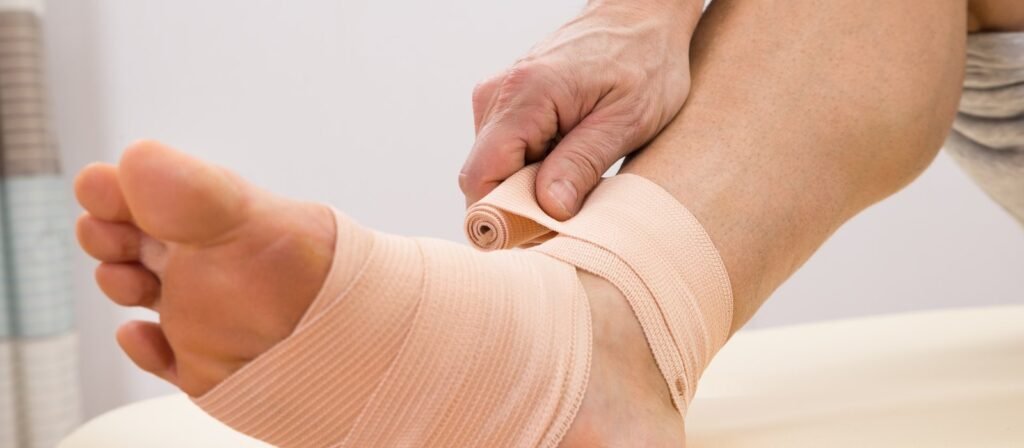
Stress fractures are a type of overuse injury characterized by small cracks in the bone. When muscles are fatigued and can’t absorb repeated impact, the shock is transferred to the bones. Weak bones caused by Osteoporosis may also be more vulnerable to stress fractures. These fractures can occur from sports or normal daily activities. Stress […]
What are the Uses of Kirschner Wire & Pin?

Pins are versatile and are usually helpful for internal fixation. A pin has a comparatively small diameter and is inserted through the soft tissue and bone with comparatively little trauma. A Kirschner wire is inserted with a power drill as well as a guidance system. The soft tissues tend to wind round the Kirschner wire […]
Understanding the Key Differences Between Cortical, Cancellous and Self-tapping Screw Types
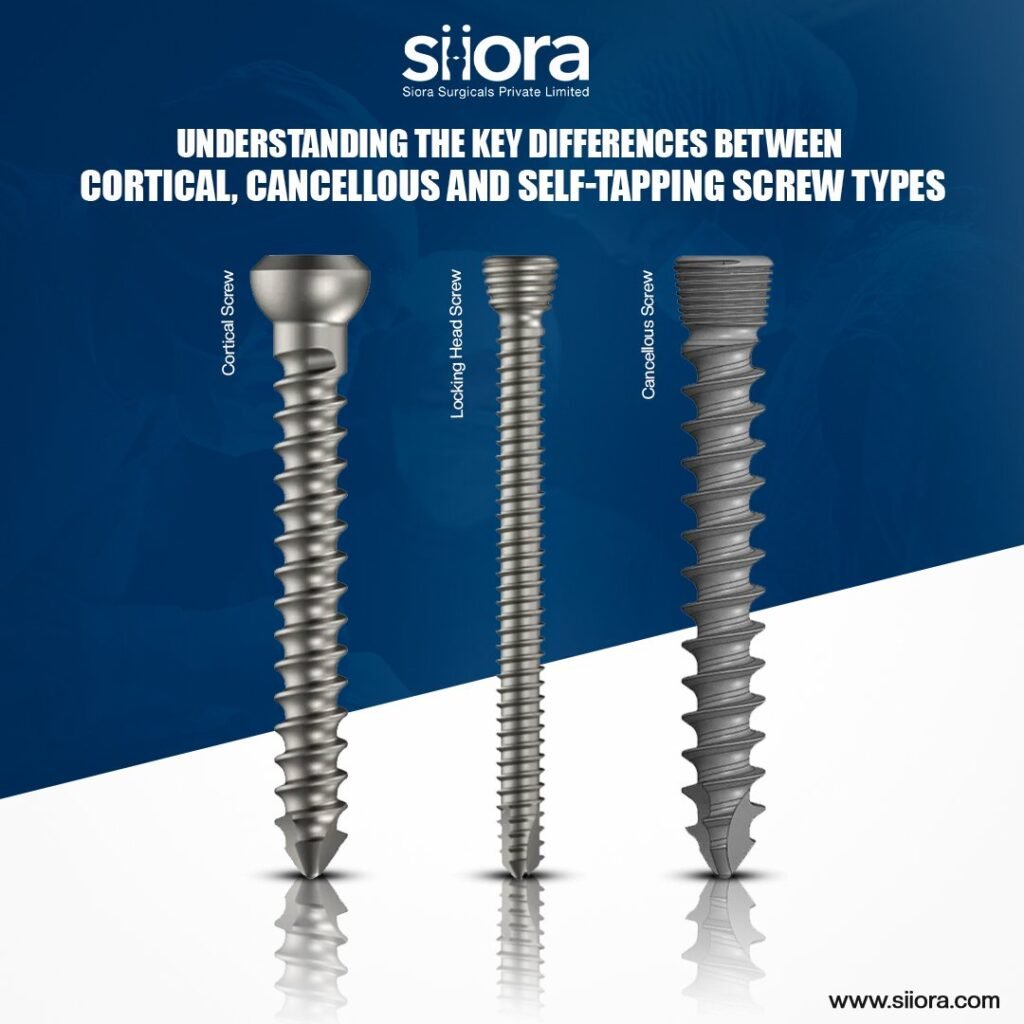
Overview Orthopedic screws play a critical role in internal bone fixation, with different types tailored for specific anatomical and mechanical requirements. Among them, cancellous screws are designed with larger threads and higher pitch to effectively engage the soft, trabecular structure of cancellous bone. These screws are typically self-tapping and thread-forming, offering strong pull-out strength due […]
Cannulated & Herbert Screws Types
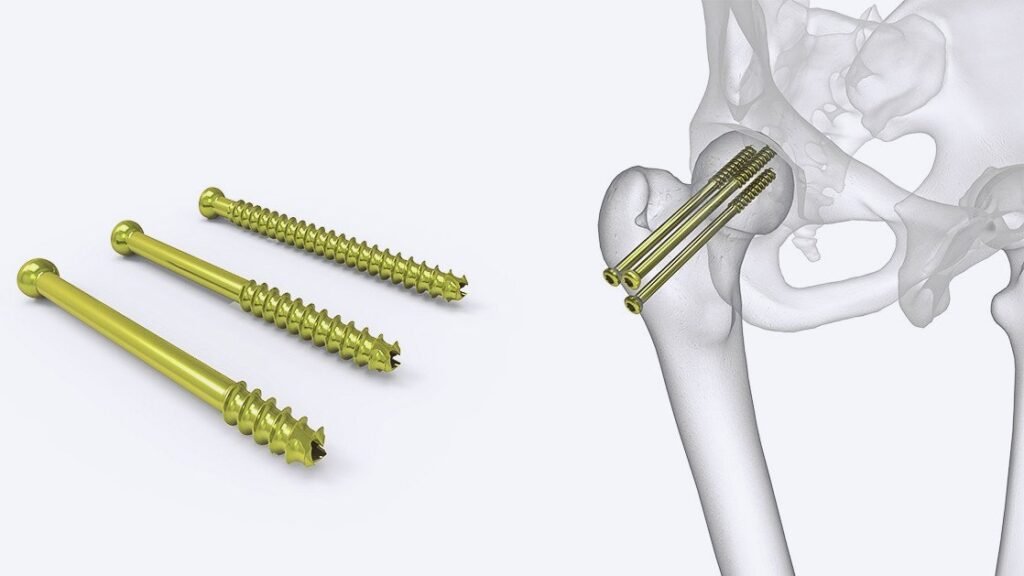
In orthopedic surgery, precision, stability, and minimal invasiveness are key to successful fracture fixation and patient recovery. Among the most widely used implants for internal fixation are cannulated screws and Herbert screws, each designed for specific anatomical and clinical requirements. Though they may appear similar at a glance, their structures, mechanisms, and uses vary significantly. […]
Do you Need Hardware Removal After Ankle Fracture Repair?
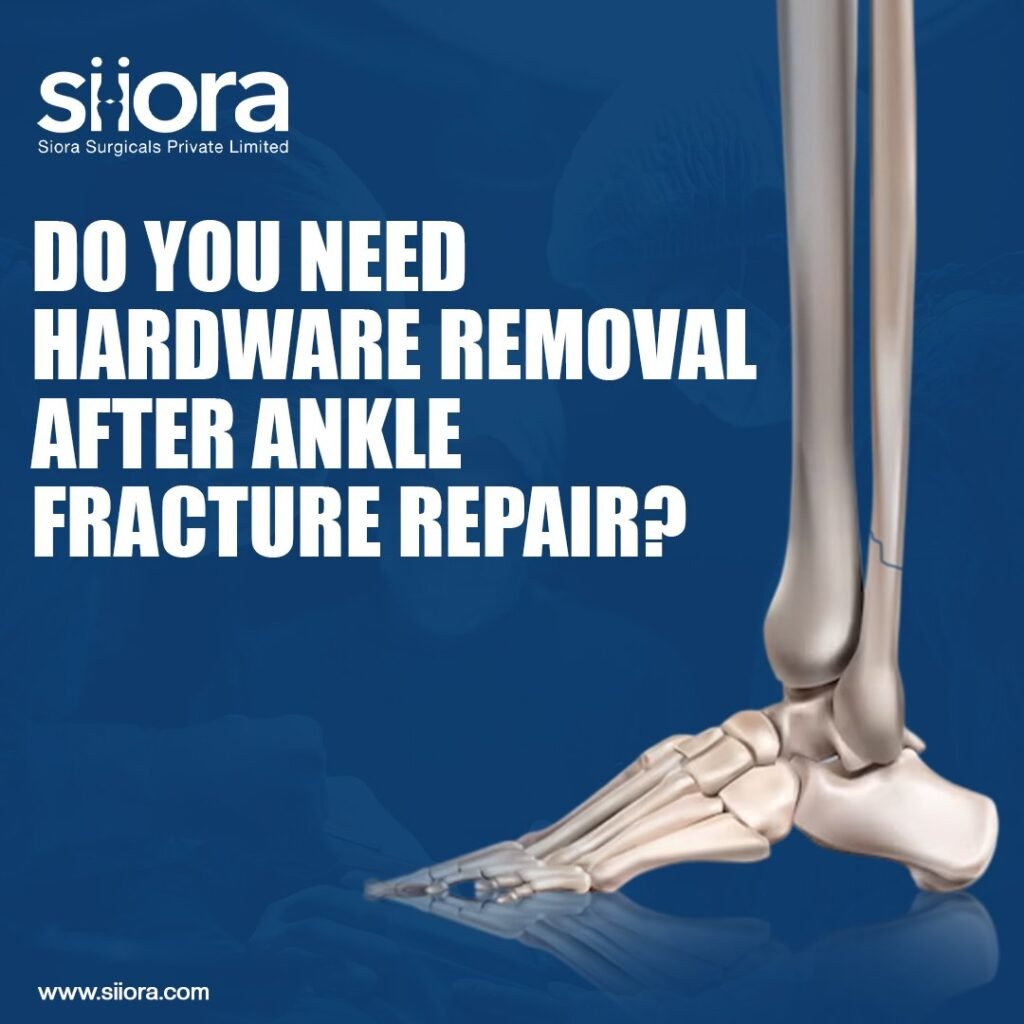
Ankle fractures are a common orthopedic injury, often requiring surgical intervention to ensure proper healing and stability. In many cases, hardware such as plates, screws, or rods is used during surgery to align and secure the broken bones. While these implants are typically designed to remain in the body permanently, there are instances where hardware […]
A Quick Guide to the Removal of Surgical Orthopedic Implants
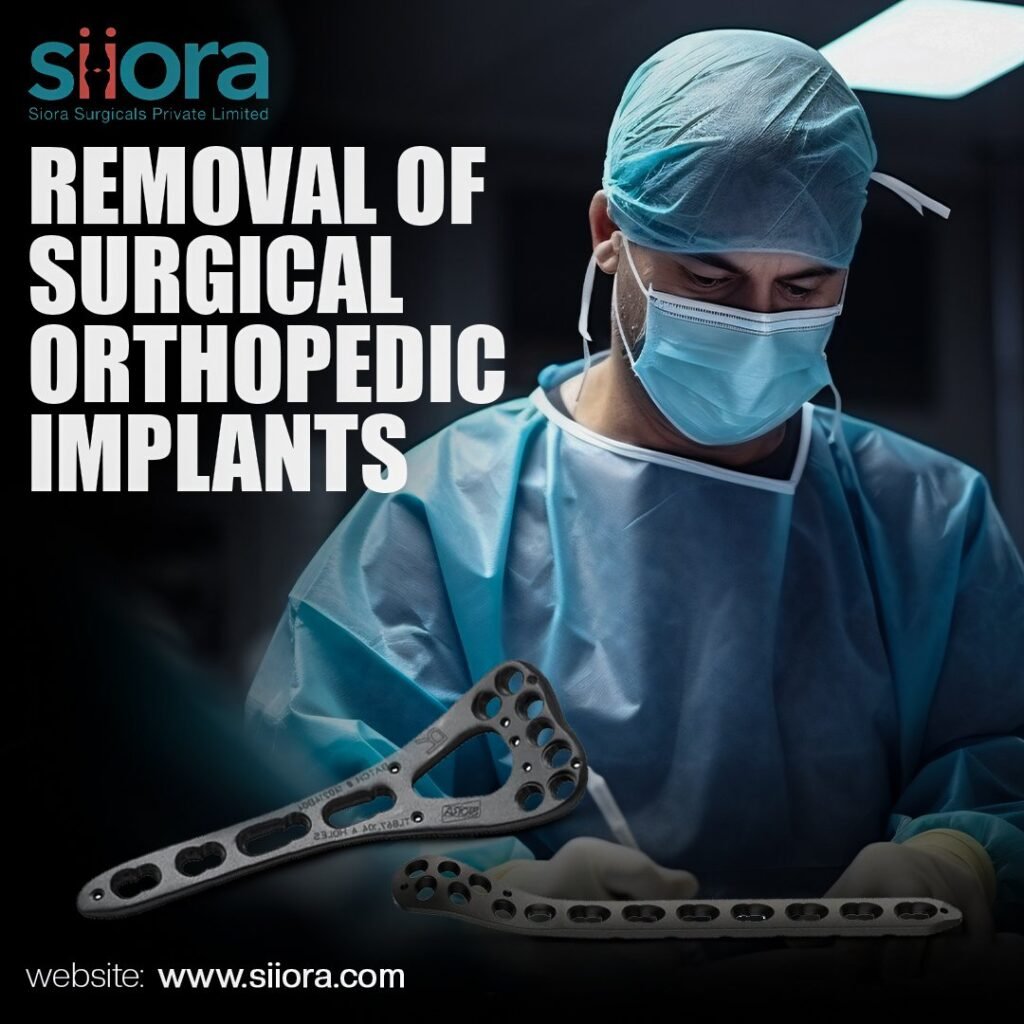
Orthopedic surgery often involves implants to treat damage to a bone. Orthopedic Implants may also be used for reconstructing an injured joint, repairing a fractured bone, or changing the skeletal alignment. Implants help broken bones heal in the correct alignment. However, in some cases, orthopedic implant removal is required. Let us see what it is and when […]
Intramedullary Nails for the Treatment of Fractures
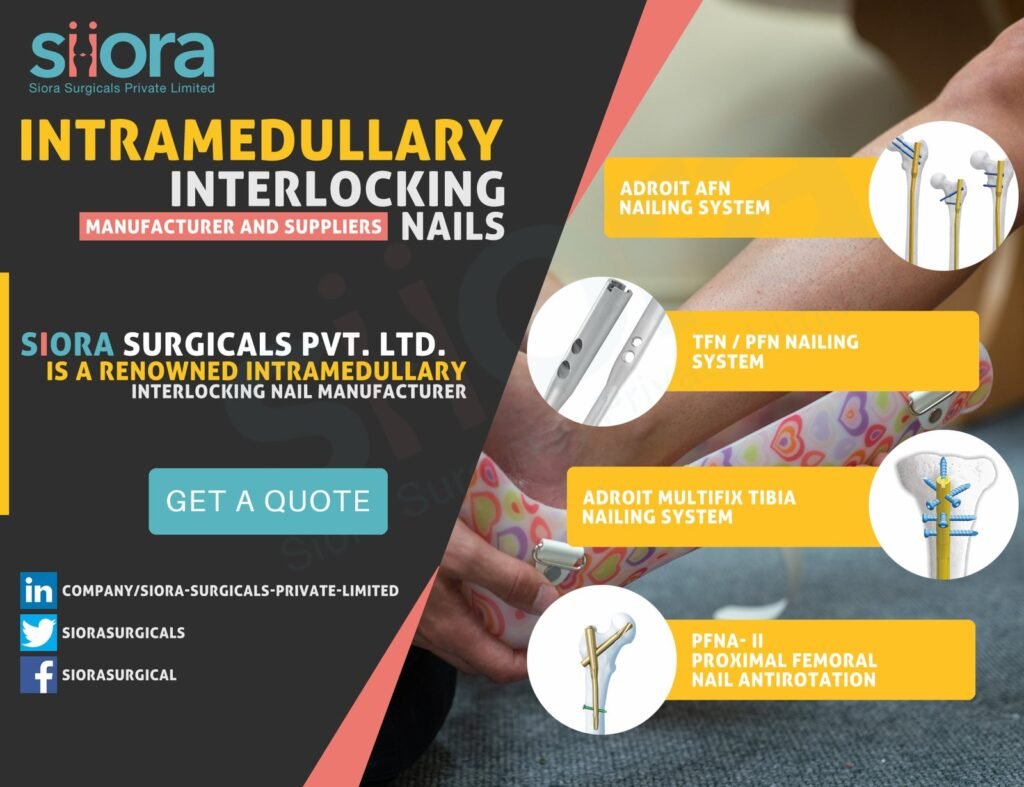
IM Nails or intramedullary nail are Orthopedic Implants used to align and stabilize fractures. Intramedullary rods are inserted into the bone marrow canal in the center of the long bones of the extremities. They may be used in the tibia (shin bone) and the femur (thigh bone), for example. They are also called intramedullary nails. These nails […]
A Guide to Tricompartmental Osteoarthritis
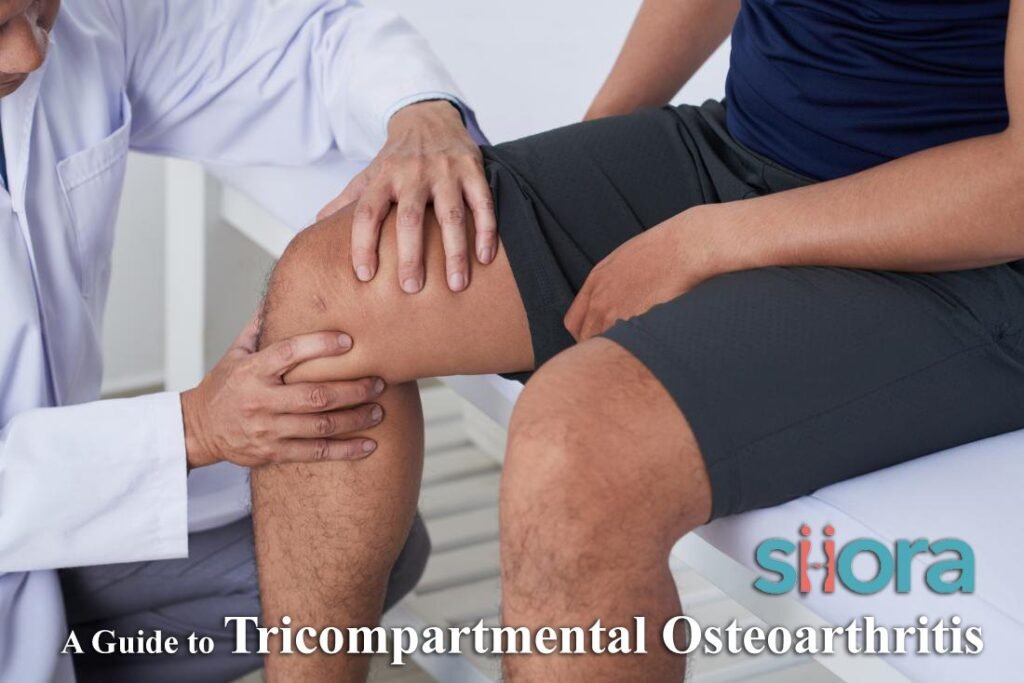
Osteoarthritis is one of the common age-related orthopedic conditions that affects people above 50 years of age more often. It is a condition that affects the joints and hence, any of them can suffer. Osteoarthritis is characterized by damage to the cartilages present between the joints. Cartilages act as rubbery cushions that protect joints from […]